
MMA Q&A
What clothing and protective equipment should I wear for MMA training?
For a first fundamentals class, start with a clean fitted training top and pocketless shorts or leggings that stay put. Ask the gym what contact is planned and which personal protective items it requires before spending money.
On this page
Visual field note
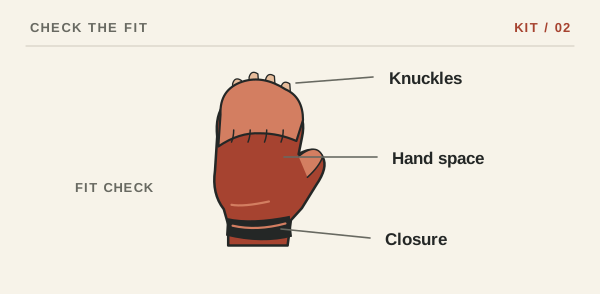
Dress for hands and feet moving past you
Pick plain training clothes without metal, zips, buckles or exposed hard fasteners. A rashguard sits close to the body when grappling. Check that your waistband stays secure in a squat. Remove jewellery, trim nails and bring sandals or other footwear for trips off the mat.
Pack for the session you booked
For non-contact instruction or solo footwork, you may only need training clothes and water. For pads, ask which gloves and hand wraps the gym uses. For kick drills, ask whether shin and instep guards are required. For partner contact, bring your own properly fitted mouthguard and check the coach’s rules on groin or other protection.
If you are borrowing equipment
Ask which items can be borrowed, how they are cleaned between users and whether your size is available. Try each item before class. A shin pad that spins during a step or a wrist closure with rough hooks exposed needs adjusting or replacing.
When you switch classes
A no-gi grappling session may have different rules on hard cups, ear guards or loose clothing than the striking class before it. Show the instructor any protective piece worn under clothing if you are unsure whether the rules permit it. Pack worn clothing separately and wash it before the next visit.